
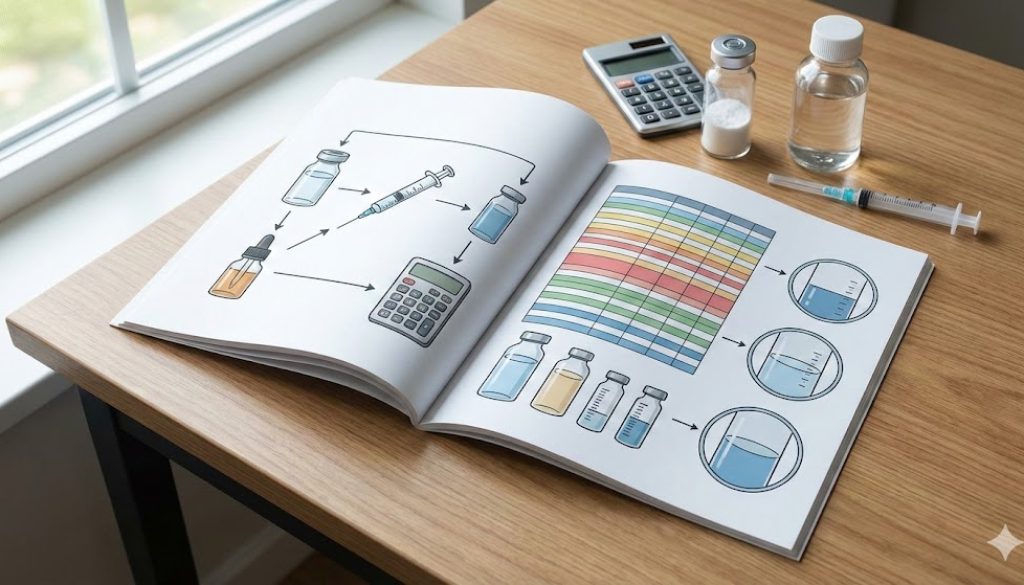
Peptide MG Calculator: Precise Dosing and Solution Preparation Made Simple
candlelightweb Science available as web-based tools, Peptide MG Calculator, peptide mg calculators are not foolproof
A peptide calculator for milligram (mg) dosing is a practical and increasingly important tool used in laboratories, clinical research, and pharmaceutical development. While general peptide calculators focus on biochemical properties such as molecular weight and isoelectric point, mg-based peptide calculators are specifically designed to help users determine accurate dosages, concentrations, and solution preparations. These tools are essential when working with peptides in experimental or therapeutic contexts, where precision in measurement directly affects outcomes.
At its core, a peptide mg calculator converts between different units of measurement, typically linking mass (milligrams), volume (milliliters), and concentration (such as mg/mL or µg/mL). Peptides are often supplied as lyophilized (freeze-dried) powders, and before they can be used, they must be reconstituted in a solvent like sterile water or bacteriostatic water.
Determining how much solvent to add in order to achieve a specific concentration can be confusing, especially for beginners. A peptide mg calculator simplifies this process by allowing users to input the amount of peptide they have and the desired concentration, then instantly providing the correct volume of solvent needed.
For example, if a researcher has a 5 mg vial of a peptide and wants to prepare a solution with a concentration of 1 mg/mL, the calculator will indicate that 5 mL of solvent should be added. This eliminates guesswork and reduces the risk of errors that could compromise an experiment.

In more complex scenarios, users may need to calculate how much of a prepared solution to draw in order to administer a specific dose. A peptide mg calculator can reverse the calculation, helping determine injection volume based on desired dosage and concentration.
Accuracy is especially critical in research involving biological systems. Even small deviations in peptide dosage can lead to significantly different results. In pharmacological studies, underdosing may produce no observable effect, while overdosing could lead to toxicity or misleading data. By automating calculations, peptide mg calculators help ensure consistency and reproducibility—two cornerstones of scientific research.
Another important application of mg peptide calculators is in scaling experiments. Researchers often need to adjust dosages when moving from small-scale in vitro experiments to larger in vivo studies. A calculator can quickly adapt values based on body weight, desired dosage per kilogram, or total volume requirements. This is particularly useful in preclinical research involving animal models, where dosing must be carefully controlled and documented.
Peptide mg calculators also assist in converting between units commonly used in laboratory settings. While some protocols specify concentrations in mg/mL, others may use micrograms (µg), nanograms (ng), or even molar concentrations such as micromoles (µM).

Switching between these units manually requires multiple steps and a solid understanding of molecular weight. Advanced calculators integrate molecular weight data to allow seamless conversion between mass-based and molar units, saving time and reducing complexity.
In addition to research applications, peptide mg calculators are valuable in the growing field of peptide-based therapeutics. As peptides are increasingly explored for treating conditions such as metabolic disorders, hormonal imbalances, and chronic diseases, precise dosing becomes even more important.
Healthcare professionals and researchers rely on accurate calculations to ensure patient safety and treatment efficacy. While clinical use requires strict regulatory oversight, these calculators still play a role in early-stage development and formulation.
Modern peptide mg calculators are often available as web-based tools or mobile applications. Their interfaces are typically designed to be intuitive, requiring only a few inputs to generate results. Some tools also include built-in safety checks or recommendations, such as suggesting typical concentration ranges or warning users about unusually high dosages. This user-friendly design makes them accessible not only to experienced scientists but also to students and professionals entering the field.
Despite their usefulness, peptide mg calculators are not foolproof. They depend entirely on the accuracy of the input data. If a user enters incorrect values—such as the wrong peptide mass or desired concentration—the output will also be incorrect.
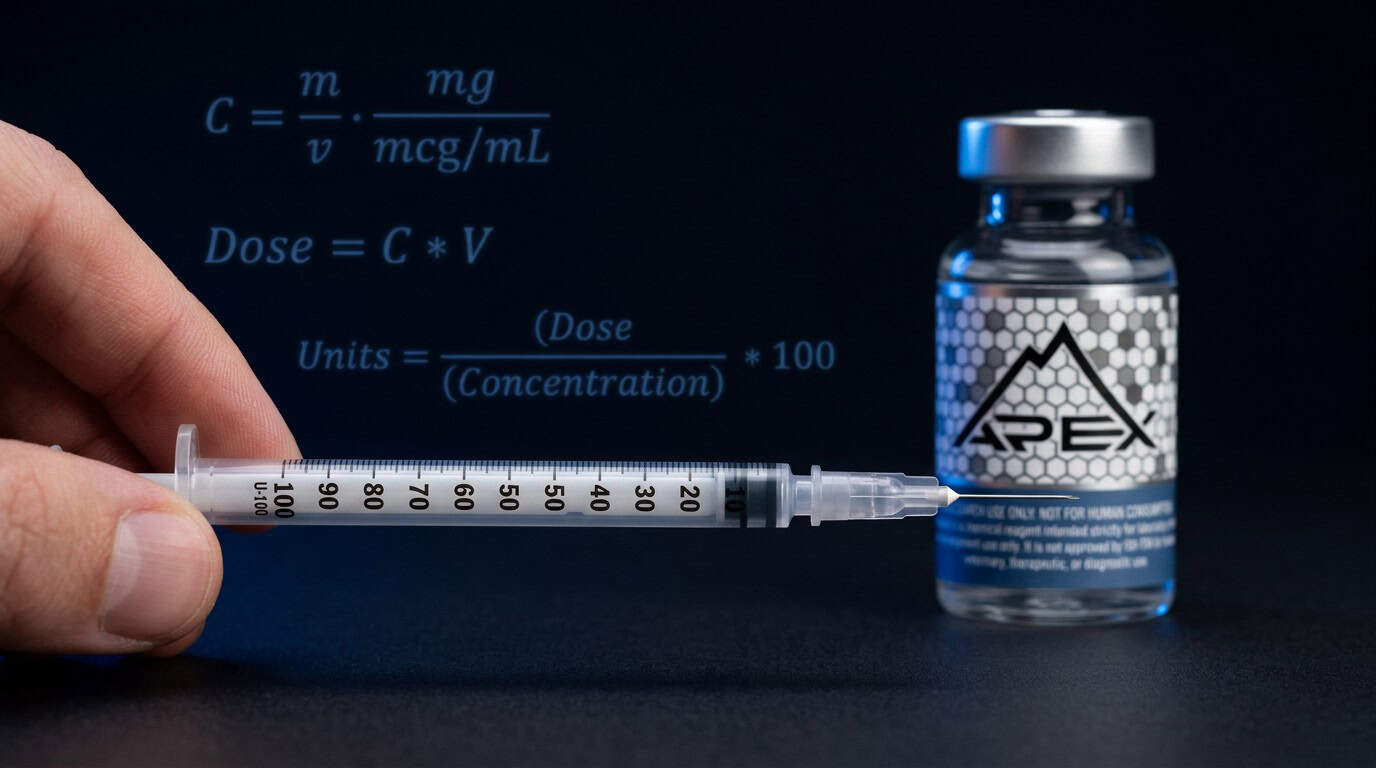
Additionally, these calculators do not account for factors such as peptide purity, degradation, or losses during handling. Therefore, while they are excellent tools for planning and calculation, they should be used alongside good laboratory practices and verified measurements.
Another limitation is that peptide mg calculators do not replace scientific judgment. They provide numerical answers, but it is up to the user to determine whether those values are appropriate for a given experiment or application. Understanding the biological context, the properties of the peptide, and the goals of the study remains essential.
In conclusion, peptide mg calculators are highly practical tools that simplify one of the most critical aspects of working with peptides: accurate measurement and dosing. By automating conversions between mass, volume, and concentration, they reduce errors, save time, and improve consistency in both research and development settings. As peptide science continues to evolve, these calculators will remain essential for ensuring precision and reliability in laboratory work and beyond.